HRSJ5010_01 Foundations of Human Rights and Social Justice
In this course, we explored the core ideas behind human rights and social justice, focusing on what fairness and justice look like in real life across local, national, and global contexts. We looked at different ways of understanding these issues through theories like universalism and relativism, intersectionality, equity, diversity and inclusion, critical race theory, feminist perspectives, and disability theory. We also discussed how larger social and political systems shape people’s access to rights and opportunities.
A key part of the course was learning from Indigenous, anti-colonial, and Global South perspectives, which helped challenge dominant ways of thinking about justice. Throughout, we connected these ideas to real-world issues such as human rights laws, activism, reconciliation, refugee and immigrant rights, access to justice, and global governance. Overall, the course helped build a deeper understanding of how theory and practice come together in the pursuit of a more just and equitable society.
HRSJ 5030: Problem Solving in the Field
In this course, we explored how research in the social sciences and humanities is carried out in real-world settings. We looked at both quantitative and qualitative approaches, and learned how different methods can be used depending on the research question and context. A big focus was on how to develop strong research questions and think critically about the methods we choose, including the ethical considerations involved.
We also engaged with Indigenous and anti-colonial research approaches, as well as methods used in Global South contexts, which helped broaden our understanding of research beyond Western frameworks. Throughout the course, we gained practical skills in writing research proposals and completing ethics applications.
One of the most valuable parts of the course for me was learning how to write a grant application. This stood out because it feels directly relevant to my future goals. As someone interested in working in the humanitarian field, this experience gave me a clearer sense of what is required in professional research and project funding, and it felt like an important step toward my career.
HRSJ 5110 – Genocide
In this course, we explored the difficult and complex topic of genocide from different perspectives, including history, philosophy, and literature. We examined specific case studies to better understand how genocides happen, as well as the role of language, colonialism, and ideologies like eugenics in shaping these events. The course also encouraged us to think critically about the ethical and moral questions surrounding genocide, as well as how the international community has tried to define and respond to it.
By working with a range of sources and approaches, we developed the skills to analyze these issues more deeply and think about how we can contribute to ongoing discussions in the field of genocide studies.
HRSJ 5020 – Indigenous Ways of Knowing
This course was truly an eye-opening experience for me, especially as someone coming from Africa to study in Canada. It deepened my understanding of Indigenous knowledge systems and how closely they are connected to land, culture, and everyday life. We explored these ideas across different areas such as Indigenous law, geography, education, social work, and health, which helped me see how broad and interconnected these perspectives are.
One of the most powerful parts of the course was our visit to the Kamloops Indian Residential School. During this visit, I had the opportunity to listen to survivors share their experiences. Hearing firsthand accounts of the cultural, emotional, and physical abuse they endured was deeply moving. One elder spoke about the struggle of rebuilding his identity after leaving the school and the lasting pain of being separated from his family. These stories made history feel very real and personal.
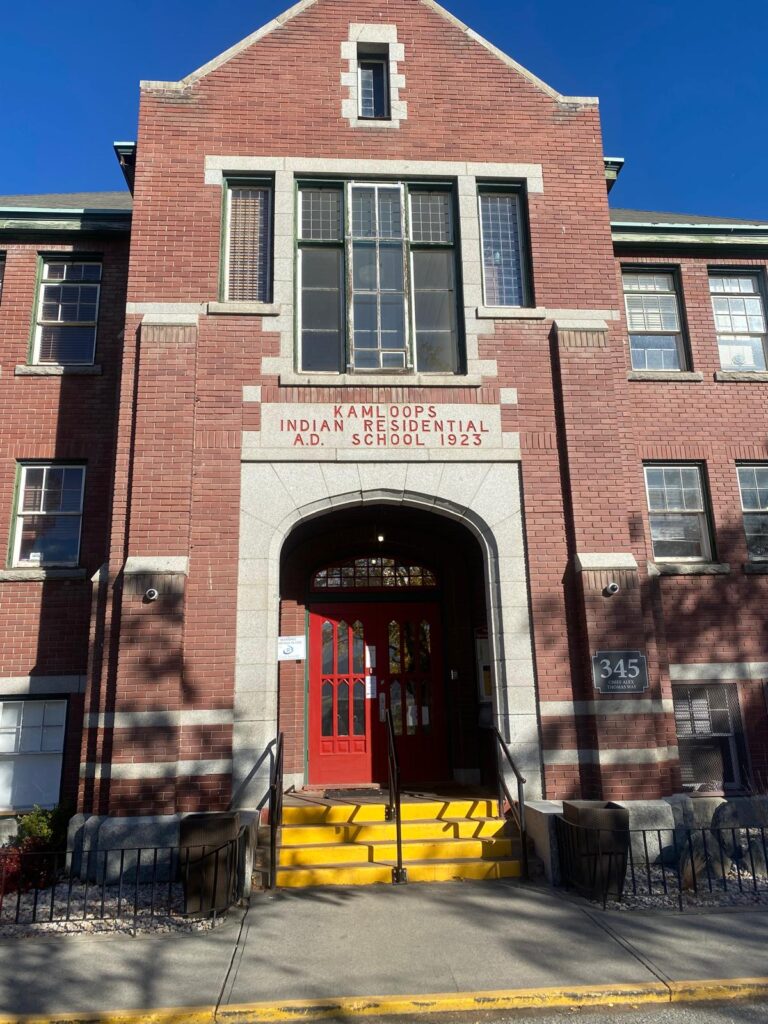
As I left the site, I carried a strong sense of responsibility with me. The visit was not just about understanding the past, but also about thinking critically about the future. It felt like a call to action to listen to and respect survivors, to acknowledge the harm that was done, and to commit to ensuring that such injustices are never repeated.
Another key part of the course was learning through land-based approaches, where the land itself was understood as a teacher. This shifted how I think about learning and knowledge, and it emphasized the importance of respecting Indigenous ways of knowing, as well as supporting self-determination and sovereignty. We also examined how colonial policies have restricted access to land and resources, and how Indigenous communities continue to resist and rebuild through movements focused on food, water, education, ceremony, and mobility.
Overall, this course challenged my perspective in meaningful ways and helped me better understand the importance of engaging with Indigenous knowledge respectfully. It also deepened my awareness of Canada’s history and the ongoing need for justice and reconciliation.
HRSJ 5130 Body Rights: Systems and Social Movements
In the course, there was a book that stood out to me, Bodies That Matter, Judith Butler challenges the common belief that “sex” and the body are purely natural or biological. Instead, she argues that our understanding of the body is shaped by social norms, language, and systems of power. According to Butler, sex is not something fixed or given, but something that is continuously produced through repeated social expectations and practices. This perspective pushes readers to question ideas that are often taken for granted and to recognize that what we see as “natural” is often socially constructed.
Butler further explains that society plays a major role in determining which bodies are considered “normal” or acceptable, and which are pushed to the margins. These ideas are reinforced through institutions, everyday language, and social interactions, often in ways that go unnoticed. As a result, some identities are recognized and valued, while others are excluded or made invisible. This highlights how power operates in subtle but powerful ways, shaping not only how we see others but also how individuals come to understand themselves.
Through this reading, I gained several important insights. I learned that our understanding of gender and the body is not fixed, but shaped by social and cultural influences. I also came to see how language and social norms play a significant role in determining who is included and who is excluded. Most importantly, this reading encouraged me to question what is often seen as “normal” and to recognize the hidden power structures that influence these ideas. It also reminded me that identity is complex, and people’s experiences cannot be reduced to simple or rigid categories.
This article has been especially valuable to my journey in human rights and social justice. It has strengthened my ability to think critically about issues of identity, inclusion, and inequality, and has deepened my understanding of how systems of power shape people’s lived experiences, particularly for marginalized groups. As someone who is passionate about advocacy, this knowledge will help me approach these issues with greater awareness and sensitivity. It encourages me to challenge unfair norms, promote inclusivity, and better understand the diverse experiences of others. Overall, Butler’s work has had a lasting impact on how I think about identity, power, and belonging.
HRSJ 5120 Settler Colonialism, Decolonization and Responsibility
This was honestly one of my favorite courses in the Human Rights and Social Justice Program. It challenged me in new ways, but at the same time, it was very engaging and meaningful. I genuinely enjoyed attending the classes because they pushed me to think differently and reflect more deeply on history, place, and identity.
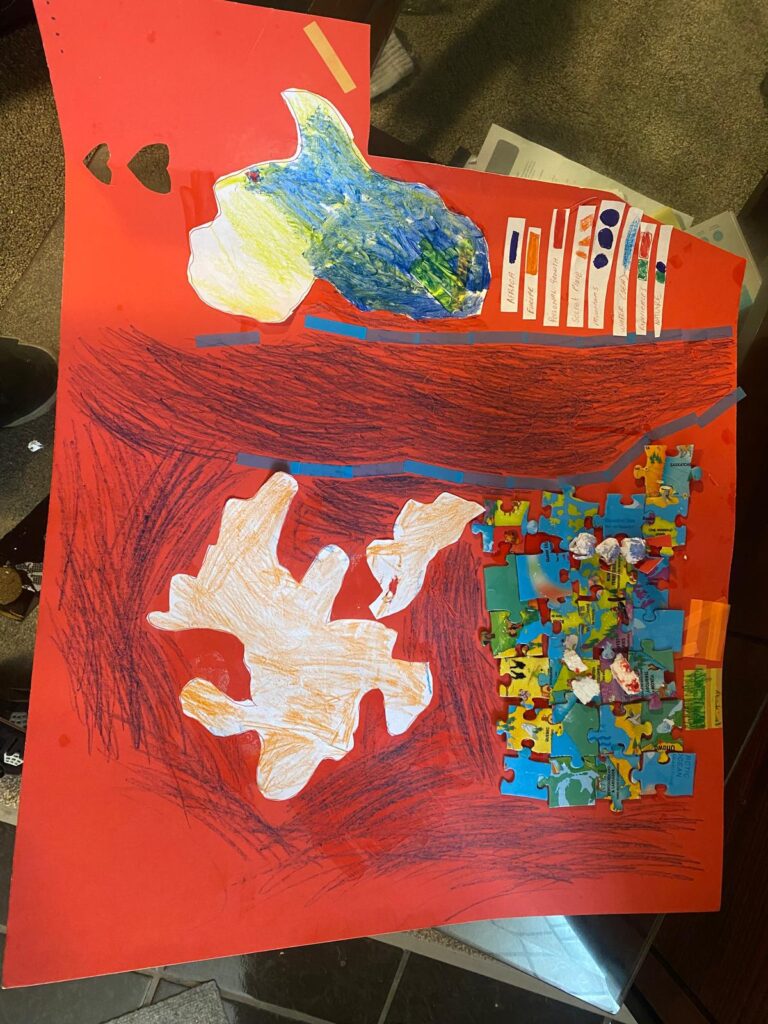
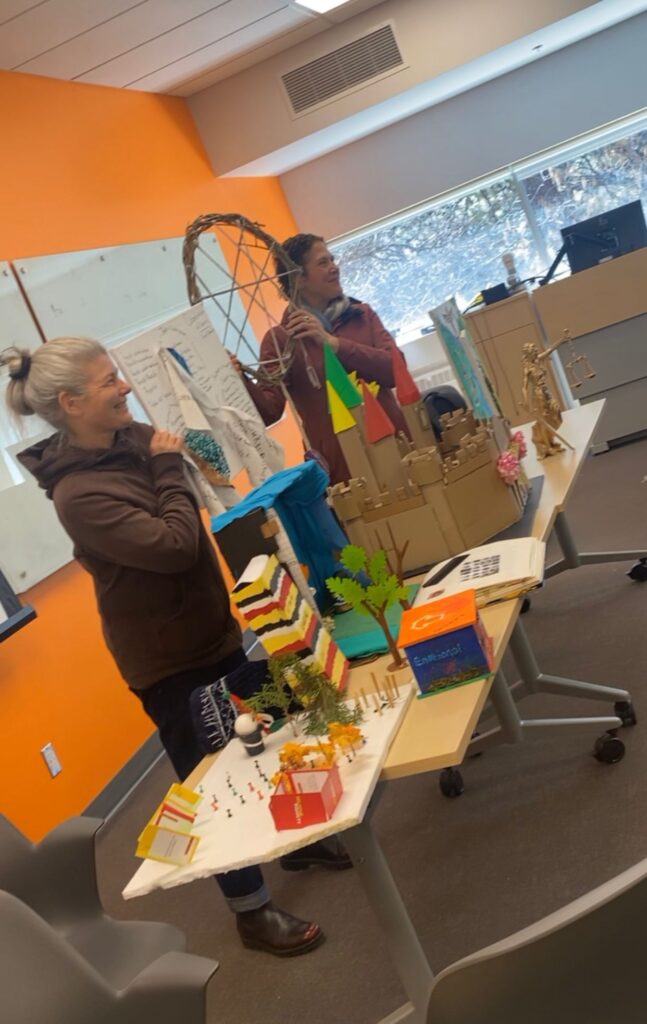
One of the moments that stood out the most for me was the mapping project. Creating my own map based on places that have been significant in my life made me pause and reflect on memories and experiences that I had not thought about in a long time. It felt personal and meaningful, and presenting it to the class made the experience even more powerful. It was not just an academic task it was something that connected my personal story to broader ideas about land, belonging, and identity. Even now, I still have the map I created, and it continues to remind me of that experience.
Another highlight of the course was visiting Lana Sky Collective Studio. Hearing her story and seeing what she has built was incredibly inspiring. It showed me how resilience, creativity, and community work can come together in powerful ways. That visit stayed with me, and it eventually led me to volunteer there for my practicum. That connection made the course feel even more impactful, as it extended beyond the classroom into real life engagement.
Overall, this course has had a lasting impact on my journey as a student. It helped me think more critically about settler colonialism and its ongoing effects, while also encouraging personal reflection and community connection. It is a course that I will carry with me moving forward, both academically and personally.
HRSJ5270_01 – Social Det. and Medicare
One of the most impactful aspects of the course was examining how global capitalism influences health. I had not previously considered how economic systems shape access to healthcare, and medications are essential resources. For example, discussions about the affordability of treatment and the role of the pharmaceutical industry made me realize that access to care is often determined by profit and power rather than need. This raised important questions for me about fairness, accountability, and the role of governments and international organizations in ensuring equitable access to health services.
The course also encouraged me to think critically about legal access to treatment. I learned that having healthcare systems in place does not necessarily mean that everyone can access them equally. Barriers such as cost, geography, discrimination, and policy limitations continue to prevent many individuals and communities from receiving adequate care. This reinforced the idea that health is a human rights issue, and that addressing inequities requires more than just medical solutions it requires systemic change.
Another meaningful part of the course was analyzing different responses to health inequities, including state-based, international, and community-based approaches. I found it especially powerful to learn about community led initiatives, which often provide more culturally relevant and accessible forms of care. These examples showed me that while large institutions play an important role, meaningful change can also come from grassroots efforts and local knowledge.
Developing action-based responses to real-world examples of health inequity was both challenging and rewarding. It pushed me to move beyond simply identifying problems and to think about possible solutions. This process helped me build practical skills in critical thinking, problem solving, and advocacy. It also made me realize that even small actions can contribute to larger efforts toward equity and justice.
Overall, this course has had a lasting impact on how I understand health and human rights. It has made me more aware of the systemic factors that shape health outcomes and more conscious of the inequalities that exist within and across global contexts. Most importantly, it has strengthened my belief that health should be treated as a fundamental human right, and that achieving “health for all” requires ongoing commitment, collaboration, and structural change.
HRSJ5220_01 – Trauma, Rights and Justice
At the beginning of the course, I understood gender-based violence in a general sense, but I had not fully considered how it is intensified and shaped within the context of war and conflict. I came to see how violence is often used systematically, not only as a result of conflict but as a tool within it. This deepened my understanding of how power, control, and inequality operate in extreme circumstances.
What stood out to me most was the interdisciplinary approach of the course. Drawing from different fields such as sociology, history, and human rights studies helped me understand that gender-based violence and trauma cannot be explained from a single perspective. Instead, they are shaped by a combination of cultural, political, and historical factors. This approach allowed me to see the full complexity of these issues and challenged me to think more critically about how they are addressed.
The use of critical analysis tools and social justice frameworks helped me engage more deeply with these topics. Rather than simply learning about instances of violence, I was encouraged to ask deeper questions about why these situations occur, who is most affected, and what barriers exist to justice and healing. This process strengthened my ability to critically analyze not only conflict situations, but also the responses to them.
Another important aspect of the course was exploring possibilities for peacebuilding and healing. While much of the content focused on trauma and injustice, the course also emphasized resilience, resistance, and the potential for change. Learning about different approaches to peacebuilding showed me that healing is possible, but it requires long-term commitment, community involvement, and culturally sensitive approaches. It also highlighted the importance of centering the voices of those who have experienced violence, rather than imposing external solutions.
Engaging with these topics also deepened my understanding of human rights. I began to see more clearly how gender-based violence in conflict is not just a social issue, but a serious violation of human rights that demands accountability. This realization strengthened my sense of responsibility to be informed, to speak out, and to support efforts toward justice and prevention.
Overall, this course had a lasting impact on me. It challenged me emotionally and intellectually, but it also helped me grow in my understanding of complex global issues. It reinforced the importance of approaching topics like violence and trauma with sensitivity, respect, and a commitment to justice. Most importantly, it reminded me that even in the context of conflict, there is still space for healing, resistance, and hope.